When to Replace Your Bras: Signs & Timeline
Most bras last 6 to 12 months with regular wear — but many women hold onto bras far longer than they should. Here are the 8 clear signs it is time for a replacement, plus a lifespan guide by bra type and care tips to get the most out of every bra you own.
Last updated: August 2026 · 8 signs covered · Includes care guide
Quick Checklist: Is It Time to Replace?
Run through this quick checklist with a bra you wear regularly. If you check two or more items, that bra is ready to be retired.
The Band Is Stretched Out
Replace now
Cups Wrinkle, Gape, or Overflow
Replace soon
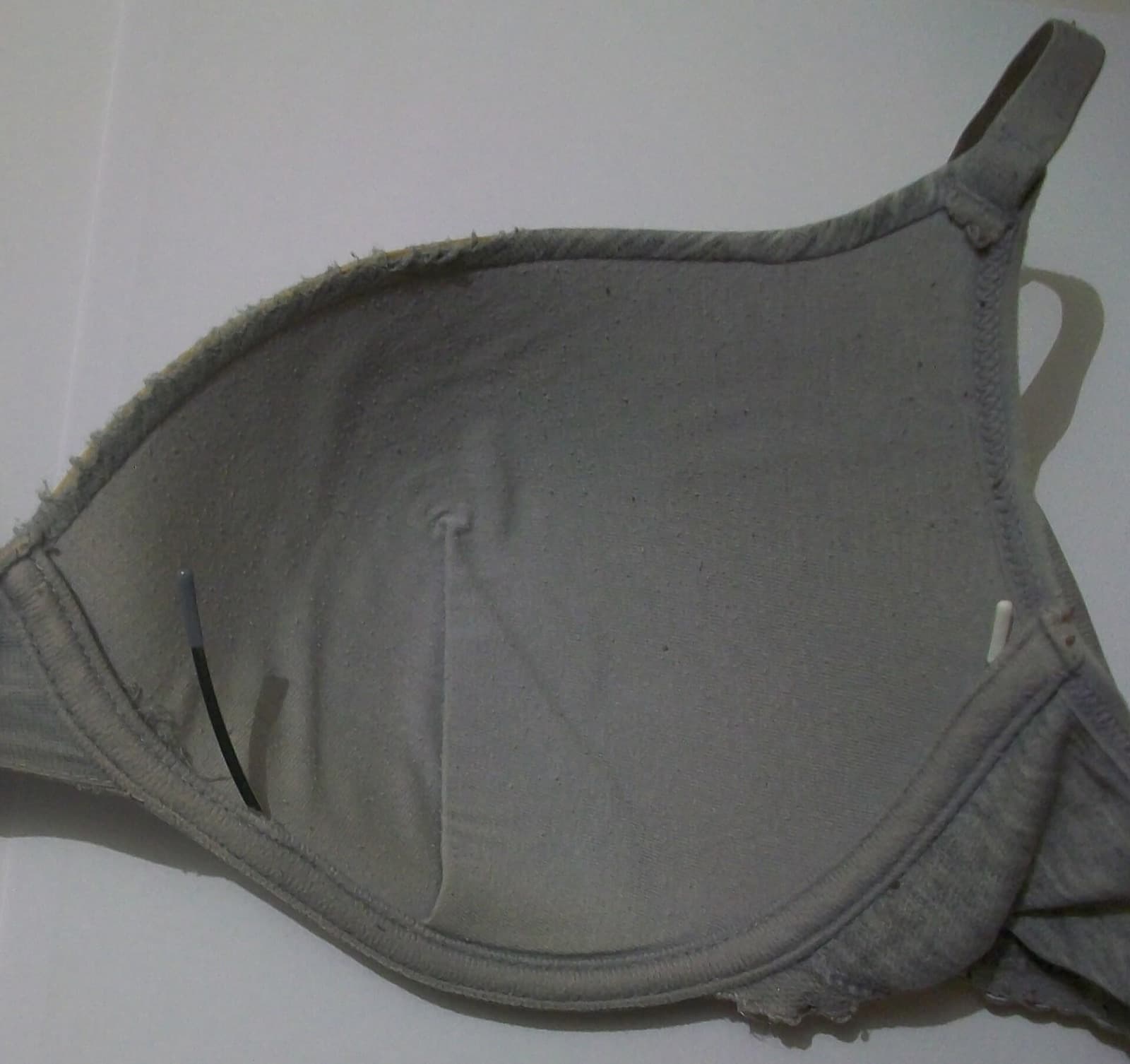
Underwire Pokes Through or Digs In
Replace now
Straps Keep Falling Down
Replace soon
Fabric Is Pilling, Thinning, or Fraying
Monitor
The Band Rides Up Your Back
Replace now
The Bra Has Lost Its Shape After Washing
Replace soon
You Have Had a Body Change
Replace soon
See what actually fits you
Tell us your size and we will match bras from our catalog to it, translated to each brand's own sizing.
Private and free, no account needed. And if your size might have changed lately - bodies do that - the chat can re-check it in about two minutes.
8 Signs Your Bra Needs Replacing
The Band Is Stretched Out
The band carries almost all of a bra's support load, not the straps. When the elastic loses tension, the bra has no foundation. A clear sign is when you're hooking on the tightest set of hooks and it still feels loose, or when the band rides up your back instead of sitting level. New bras should fit on the loosest hook so you can tighten over time as the elastic relaxes.
What to try first:
Try the tightest hook-and-eye setting. If the band still slides up your back or you can pull it more than an inch away from your body, the elastic is spent and no adjustment will restore support.
Cups Wrinkle, Gape, or Overflow
If the cups wrinkle or collapse inward, the bra has lost its structure or your breast tissue has changed. If the cups gape open at the top, the bra no longer conforms to your shape. Overflow — where breast tissue spills over the top or sides — means the cup volume is no longer adequate. Any of these signals a mismatch between the bra and your current body.
What to try first:
Check if the issue is sizing rather than wear. Try adjusting the straps shorter. If wrinkling or gaping persists after strap adjustment, the cups themselves have lost shape or your size has changed.
Underwire Pokes Through or Digs In
When the fabric around the underwire channel wears thin, the wire can poke through and dig into your skin. This is uncomfortable and can cause bruising or skin irritation. Even if the wire has not broken through yet, if you can feel it pressing sharply against your ribs or breast tissue, the protective casing is failing.
What to try first:
As a temporary fix, you can push the wire back in and patch the hole with a small piece of moleskin or fabric tape. But this is a short-term solution — once the channel has worn through, it will happen again quickly.
Straps Keep Falling Down
If your straps slide off your shoulders no matter how tight you adjust them, the elastic in the straps has lost its stretch and recovery. Straps should stay in place comfortably — you should be able to fit one finger under each strap without them slipping. Straps that constantly fall are not just annoying, they mean the bra is not lifting properly.
What to try first:
Tighten the adjusters fully. If the straps still slip, check whether the issue is the strap placement (some bra styles are cut too wide for narrow shoulders). If tightening does not help and the straps feel thin or limp, the elastic is worn out.
Fabric Is Pilling, Thinning, or Fraying
Pilling — those little fabric balls — is a sign of friction and wear. Thinning fabric, especially under the arms or along the band, means the material is breaking down. Fraying seams or edges indicate structural failure. Beyond looking worn, compromised fabric cannot provide the same support or moisture-wicking as when it was new.
What to try first:
Remove pills with a fabric shaver to extend the visual life of the bra. If the fabric is only pilled but still thick and supportive, you can continue wearing it. If you notice thinning or see-through patches, it is time to replace.
The Band Rides Up Your Back
A well-fitting bra band sits level all the way around your torso, parallel to the floor. When the band creeps up in the back, it means the elastic has lost tension and the band is too loose to anchor in place. When the back rides up, the front drops down — and you lose support from both ends. This is one of the most common and most overlooked signs of a worn bra.
What to try first:
Move to the tightest hook. If the band still rides up, the elastic is done. Also make sure you are wearing the correct band size — a band that is too large from the start will ride up even when new.
The Bra Has Lost Its Shape After Washing
Molded cups that have gone flat, foam padding that has become lumpy, or a bra that no longer returns to its original shape after washing are signs that the structural materials have broken down. This is especially common when bras are machine-washed on hot cycles or put in the dryer, which degrades foam, elastic, and molded materials much faster.
What to try first:
Try reshaping the cups with your hands while the bra is still damp and letting it air dry on a flat surface. If the cups stay warped, dented, or flat after multiple washes, the foam or molding is permanently deformed.
You Have Had a Body Change
Weight gain or loss of 10+ pounds, pregnancy, breastfeeding, hormonal changes (including menopause or starting/stopping birth control), and breast surgery all change your measurements. Your bras may be in perfect physical condition but no longer fit your body. Wearing the wrong size after a body change can cause discomfort, poor support, and skin issues that are easy to attribute to the bra brand rather than the fit.
What to try first:
Get re-measured before buying new bras. Use our free fitting tool or measure at home. Your band size, cup size, or both may have changed. Sometimes only one or two bras in your collection need replacing if the size change is modest.
Bra Lifespan by Type
These timelines assume you rotate between 3-4 bras, wear each one 2-3 times per week, and follow basic care practices. If you wear a single bra every day without rotation, cut these estimates in half.
| Bra Type | Expected Lifespan | Key Notes |
|---|---|---|
| Everyday T-shirt Bra | 6-12 months | Worn 3-4 times per week. Molded cups degrade with heat. |
| Sports Bra (High Impact) | 6-9 months | Sweat and stretching break down elastic faster. |
| Sports Bra (Low Impact) | 9-12 months | Less stress on materials than high-impact styles. |
| Strapless Bra | 9-12 months | Silicone grip strips lose tackiness over time. |
| Underwire Bra | 6-12 months | Wire channel fabric wears first. Hand wash to extend life. |
| Wireless / Wire-Free Bra | 8-12 months | No wire to poke through, but elastic still wears. |
| Bralette | 6-12 months | Delicate fabrics like lace wear faster than cotton. |
| Nursing Bra | 3-6 months | Heavy daily use and frequent washing shorten lifespan. |
| Push-Up Bra | 6-9 months | Padding compresses over time, reducing lift effect. |
The Rotation Rule
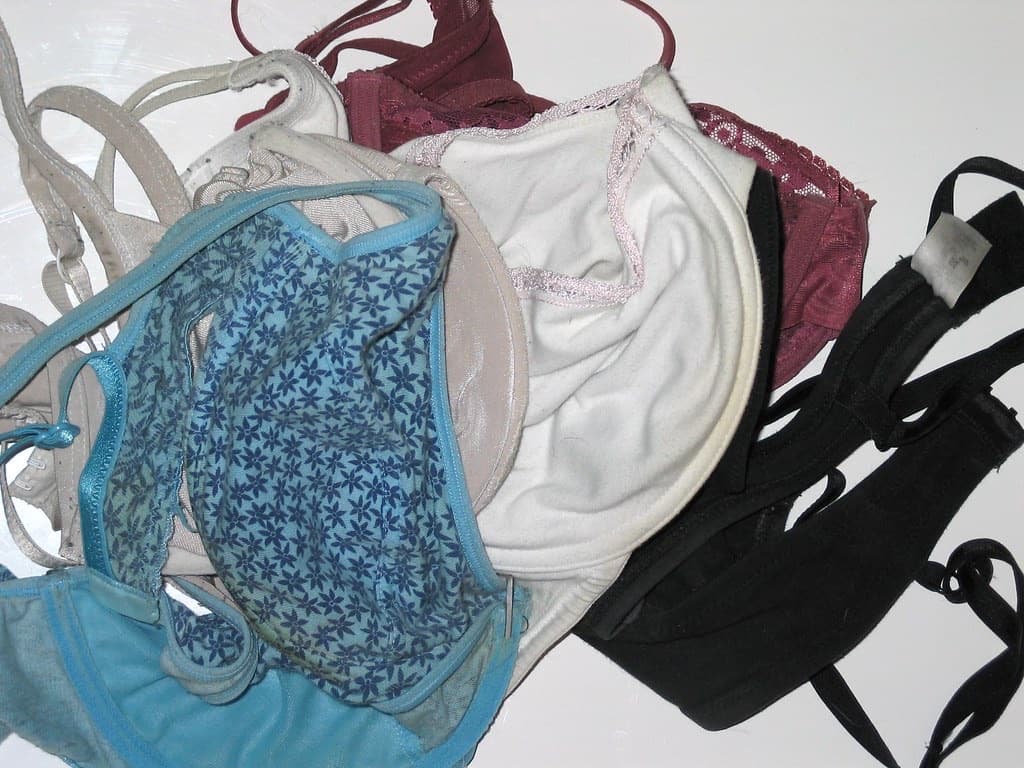
The number one way to extend bra life is rotation. Elastic fibers need 24-48 hours to recover between wears. Here is a simple formula:
If you currently own two everyday bras and wear each one on alternate days, each bra is being worn approximately 180 times per year — far more than the 90-120 wears most bras are designed to handle. Adding even one more bra to your rotation can significantly extend the lifespan of all your bras.
6 Care Tips to Extend Bra Life
Hand Wash When Possible
Use cool water and a gentle detergent or baby shampoo. Swish the bra gently for 1-2 minutes, rinse thoroughly, and press out excess water without wringing. This is the single most effective way to extend bra life.
Use a Lingerie Bag for Machine Washing
If you machine wash, hook the bra closed, place it in a mesh lingerie bag, and use the delicate cycle with cold water. This prevents the hooks from snagging other garments and reduces agitation on the cups.
Never Put Bras in the Dryer
Heat is the number one enemy of elastic and molded cups. The dryer degrades the materials that give your bra its shape, stretch, and support. Always air dry by laying flat or draping over a hanger (not by the straps, which can stretch them).
Rotate Between 3-4 Bras
Elastic needs 24-48 hours to recover its shape after wearing. If you wear the same bra two days in a row, the elastic never fully bounces back. Rotating extends each bra's lifespan significantly.
Store Bras Properly
Stack molded-cup bras with cups nested inside each other in a drawer. Never fold one cup into the other — this creases the foam and permanently deforms the shape. Soft bras can be folded flat.
Hook the Band Before Washing
Always close the hook-and-eye closure before washing. Open hooks snag on fabric, lace, and other garments, causing tears and pulling that accelerate wear.
Replace vs. Re-Measure: Know the Difference
Not every bra problem means the bra is worn out. Sometimes the issue is that your size has changed. Here is how to tell the difference:
Signs the Bra Is Worn Out
- Band is stretched even on the tightest hook
- Fabric is pilling, thinning, or fraying
- Underwire has poked through the channel
- Cups are warped and do not bounce back after washing
- Straps are limp even at the shortest setting
Signs You Need a New Size
- Recent weight change of 10+ pounds
- Pregnancy, breastfeeding, or weaning
- Cups overflow or gape on a relatively new bra
- Hormonal changes (menopause, new medication)
- The bra is less than 3 months old and already uncomfortable
Frequently Asked Questions
How often should you replace your bras?
Most bras should be replaced every 6 to 12 months with regular wear. If you rotate between 3-4 bras, each one may last closer to a year. Sports bras worn for intense workouts may need replacing every 6 months because the elastic breaks down faster from sweat and stretching. The best indicator is how the bra fits and feels, not a fixed calendar date.
Can you make bras last longer with proper care?
Yes. Hand washing in cool water with a gentle detergent is the single best thing you can do. If you machine wash, use a lingerie bag on a delicate cycle and skip the dryer entirely. Air dry your bras flat or draped over a hanger. Never wring them out. Rotating between multiple bras so each one gets at least a day of rest between wears also significantly extends lifespan.
Is it bad to wear a worn-out bra?
A worn-out bra will not provide proper support, which can lead to back pain, shoulder pain, poor posture, and skin irritation from poking underwires or fraying fabric. While it is not medically dangerous, wearing a bra that no longer fits or supports correctly defeats the purpose of wearing one. If your bra is showing multiple signs of wear, replacing it is worth the investment.
How many bras should you own at a time?
A good working wardrobe is 4-6 bras: 2-3 everyday bras, 1 sports bra, 1 strapless or special occasion bra, and 1 bralette or lounge bra. Rotating between multiple everyday bras gives each one time to recover its elasticity between wears. This rotation is the most effective way to extend the lifespan of each bra.
Should you replace all your bras after a body change?
Not necessarily all at once, but you should get re-measured and test your current bras for fit. Weight changes of 10 pounds or more, pregnancy, breastfeeding, hormonal shifts, and surgery can all change your bra size. Start by replacing your most-worn everyday bra in your new size, then replace others as your budget allows. Our free fitting tool can help you find your updated size in 2 minutes.
Related Guides
How to Measure Your Bra Size
Step-by-step guide to measuring your band and bust at home. Get accurate measurements in 2 minutes.
Sister Sizes Explained
Learn how sister sizes work and when to use them. Same cup volume, different band sizes.
Bra Types Explained: Complete Visual Guide
12+ bra types explained — from t-shirt to balconette to plunge. Which style works best for your shape and needs.
Replacement picks worth trying
Browse all brandsEveryday t-shirt and full-coverage styles in stock — good defaults when last year's bras are done.

Panache
Serene Full Cup Bra - Noir

Freya
Quinn Molded Spacer Bra: Cameo

Fantasie
Fusion Lace Side Support Bra: White

Elomi
Smooth Molded Bra: Deep Emerald
Prices and availability update as our catalog refreshes.
Time for New Bras? Find Your Perfect Fit
Take our free 2-minute fitting quiz and get personalized bra recommendations based on your size, shape, and comfort preferences. Start fresh with bras that actually fit.